
There’s a moment that happens when you arrive somewhere unfamiliar — a pause before you start naming things. Before paths become routes, rooms become places, and landscapes become scenery. It’s in that moment that Edenhall reveals itself most clearly.
I spent much of my first day here looking up.
Not out of distraction, but curiosity. The sky above the estate feels unusually present — wide, uninterrupted, changing by the minute. It frames everything else. Walks slow down without effort. Conversations trail off. Time stretches, gently. Edenhall doesn’t ask to be explored quickly; it invites you to notice instead.
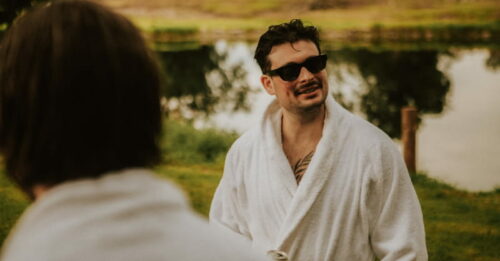
Moving through the grounds, there’s a sense of balance that’s hard to define but easy to feel. Nothing strains for attention. The architecture sits comfortably within the land, as if it’s always known where it belongs. Old stone walls catch the light differently throughout the day. Trees act as both boundary and shelter. Even the quiet has texture here.
What struck me most was how lived-in the estate feels — not preserved, not staged, but inhabited. Spaces are designed to be used, not admired from a distance. You notice this in the way doors are left slightly open, in the softness of worn thresholds, in the way interiors favour warmth over perfection. Edenhall feels shaped by people who understand that comfort is something earned over time.
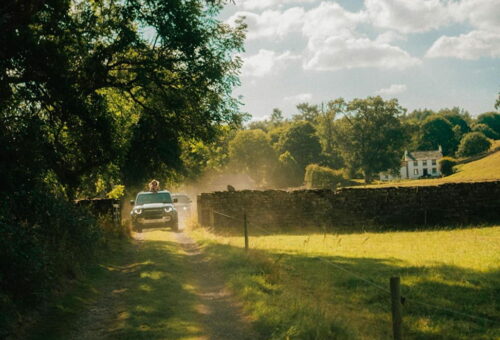
By late afternoon, I found myself sitting still more than moving. Watching clouds shift. Listening to wind pass through the trees. Letting the estate dictate the pace rather than arriving with my own. It’s rare to feel welcomed without being guided — here, the landscape does the work quietly.
Leaving that evening, I realised I hadn’t taken many photographs. Not because there wasn’t anything to capture, but because being present felt more appropriate than documenting. Edenhall resists urgency. It rewards attention. And for a visiting eye, seeing it differently simply means slowing down enough to let it show you what’s already there.